How to Troubleshoot Common Auto Electrical Issues Like a Pro
Electrical problems can turn even the most reliable vehicle into a daily frustration. From dim headlights to a car that won’t start, electrical issues often hide behind symptoms that seem minor—until they aren’t. Understanding how to identify these problems can save you time, stress, and unnecessary repair costs. Whether you're dealing with flickering lights, weak batteries, or malfunctioning accessories, learning the basics of auto electrical troubleshooting can give you a major advantage.
At
Paul’s Transmission & Auto Repair in Baker City, OR, we specialize in
auto electrical repair and help drivers stay ahead of problems before they lead to breakdowns. Below, we break down the most common electrical issues and how to diagnose them like a pro.
Understanding the Basics of Your Vehicle’s Electrical System
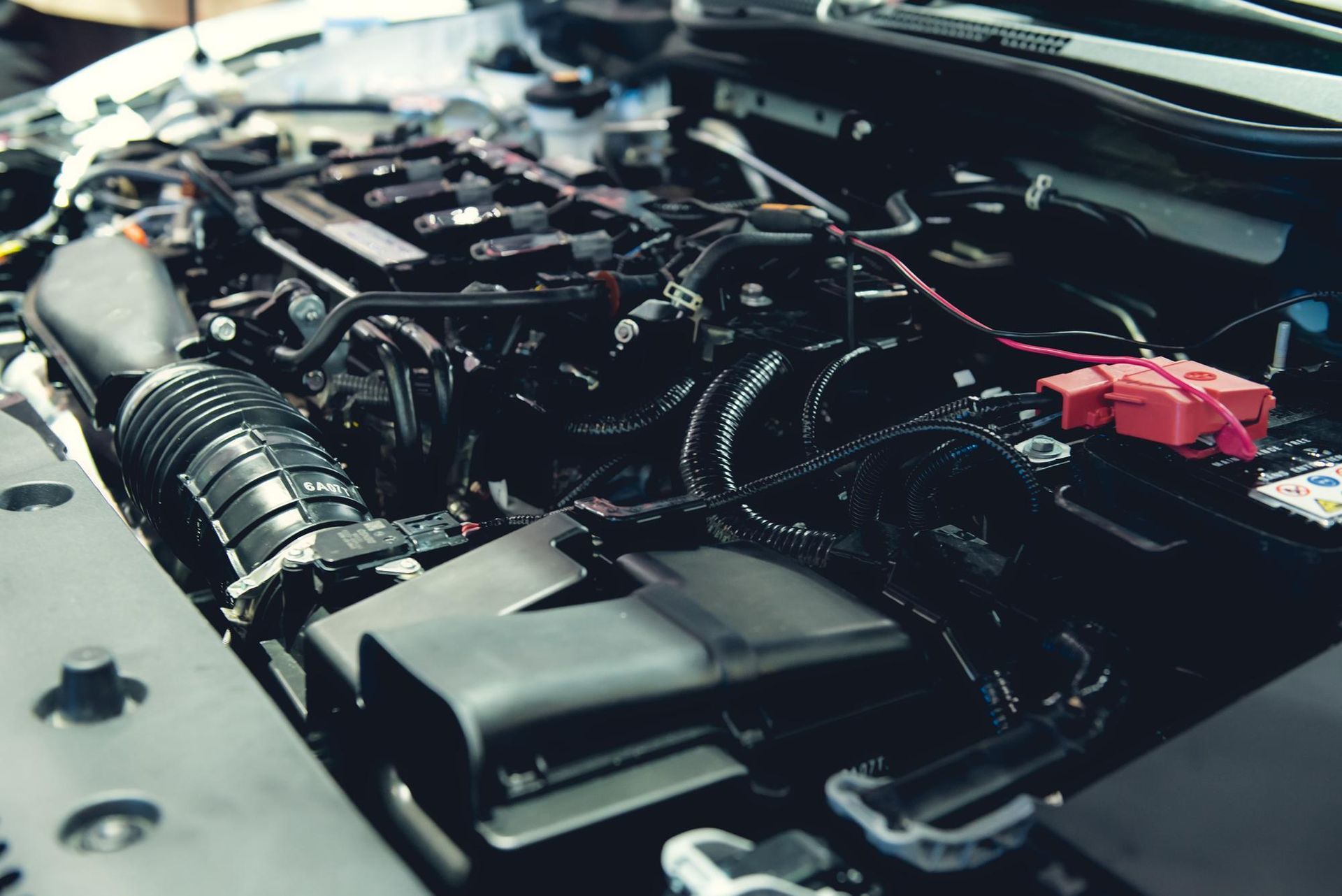
Before diving into troubleshooting, it's important to understand the core components of your vehicle’s electrical system. Modern vehicles rely heavily on electronics, and even minor faults can affect everything from starting your car to powering the infotainment system.
The three primary electrical components are:
Battery
Your battery provides the energy needed to start the engine and power accessories when the engine is off. A weak or dead battery is one of the most common causes of electrical failure.
Alternator
Once the engine is running, the alternator takes over and supplies power while keeping the battery charged. If the alternator fails, your car may run temporarily—but not for long.
Starter
The starter motor draws significant power from the battery to crank the engine. When the starter fails, the engine won’t turn over.
Understanding how these components work together helps you pinpoint the source of issues quickly. If one of these three parts struggles, the entire system can be thrown off balance. Professional auto electrical repair services can diagnose deeper issues, but many basic symptoms can be identified at home.
How to Troubleshoot Starting Problems
Few things are more frustrating than turning the key and hearing nothing but a click—or worse, silence. Starting issues can stem from several sources, but here’s how to narrow it down.
Check the Battery First
If your car doesn’t start, the battery should be your first suspect. Look for signs like dim interior lights, slow cranking, or corrosion on battery terminals. A simple voltage test with a multimeter can reveal if the battery is undercharged. Healthy batteries typically read around 12.6V with the engine off.
Inspect Battery Cables and Connections
Loose, corroded, or damaged cables restrict the flow of electricity. Clean terminals with a wire brush and ensure all connections are tight.
Evaluate the Starter Motor
If the battery is good but the engine still fails to crank, the starter may be the issue. Common signs include a loud click when turning the key or intermittent starting.
Check the Ignition Switch
When the ignition switch fails, the signal to engage the starter won’t reach the engine. If your dashboard lights flicker or accessories won’t power on consistently, the ignition switch could be to blame.
For deeper or recurring problems, it's best to schedule auto electrical repair with trained technicians who can run advanced diagnostics.
Troubleshooting Lighting Issues Inside and Outside the Vehicle
Lighting problems aren’t just inconvenient—they’re a safety hazard. From headlights to dash lights, electrical issues can cause dimming, flickering, or complete light failure.
Headlight and Taillight Problems
Start by checking the bulbs. Burned-out bulbs are the simplest fix. If the bulbs are functional, the problem may lie in the wiring, fuses, or light switch. Moisture inside the lens can also cause intermittent operation.
Interior Light Failures
If your dome or dashboard lights fail, faulty switches or blown fuses may be the culprit. Each dashboard light is tied to specific sensors or circuits, so irregular lighting could indicate a larger electrical issue.
Fuses and Relays
Always inspect the fuse box when lights malfunction. A blown fuse stops the flow of electricity to that circuit. Replace burned-out fuses with the correct amperage and observe if the issue returns. If it does, that’s a sign of a deeper electrical fault that requires professional inspection.
Lighting issues can feel overwhelming due to the number of circuits involved, but most cases are caused by simple faulty connections or damaged wires. If troubleshooting doesn't lead to a resolution, a professional auto electrical repair service can quickly pinpoint the problem.
Diagnosing Battery and Alternator Problems Early
Your vehicle’s battery and alternator work together to maintain a steady flow of electrical power. When one starts to fail, you’ll often notice symptoms long before the car stops running completely.
Symptoms of a Weak Battery
- Slow engine crank
- Electrical components are sluggish
- Clicking sounds when starting
- Swollen or leaking battery case
If your battery is more than 3-5 years old, it may be nearing the end of its life.
Signs of Alternator Failure
- Battery warning light on your dashboard
- Flickering headlights while driving
- Burning smell caused by belt slippage
- Car stalls while driving
To test the alternator, measure voltage with the engine running. A functional alternator produces approximately 13.7-14.7V. Anything under 13V suggests a charging problem.
Alternator issues can worsen quickly. If your alternator dies while driving, your vehicle may shut down without warning. Prompt auto electrical repair prevents breakdowns and protects your battery from over-draining.
When to Seek Professional Auto Electrical Repair
While many electrical problems can be identified at home, there are times when professional assistance is the safest and most cost-effective option. Electrical systems involve complex wiring harnesses, sensors, and computerized components. Without proper tools, diagnosing these issues can be difficult.
You should contact an auto repair shop if you notice:
- Electrical problems that recur after DIY fixes
- Burning smells or signs of overheated wires
- Electrical components failing simultaneously
- Battery drain with no obvious cause
- Dashboard warning lights related to the charging system
At
Paul’s Transmission & Auto Repair, our ASE-certified technicians use advanced diagnostic equipment to locate electrical issues quickly and accurately. We specialize in comprehensive
auto electrical repair, from battery testing to alternator replacement, fuse diagnostics, wiring repairs, sensor troubleshooting, and more. When in doubt, it’s always safer to let trained professionals handle electrical issues to prevent further damage.
Contact Paul’s Transmission & Auto Repair for Trusted Auto Electrical Repair
If your vehicle is showing electrical issues, don’t wait for the problem to escalate.
Paul’s Transmission & Auto Repair in Baker City, OR provides reliable, expert
auto electrical repair to keep your car starting, running, and performing safely. Our team has decades of experience diagnosing and fixing even the most stubborn electrical problems.
We also repair
brakes,
engines,
suspensions,
transmissions, and more.
Call us today at
(541) 523-6923 to schedule an appointment or ask questions about your vehicle. We are here to help you get back on the road with confidence.
FAQs
What are the most common signs of electrical problems in a car?
Dimming lights, slow engine cranking, warning lights on the dashboard, malfunctioning accessories, and repeated battery failure are common indicators of electrical issues.
Can I drive with a failing alternator?
Only for a short period. A failing alternator will eventually drain the battery, causing the engine to stall. It’s best to schedule auto electrical repair immediately.
Why does my car battery keep dying?
Possible causes include a weak battery, a faulty alternator, a parasitic drain, or poor electrical connections. A professional inspection can determine the exact issue.
How often should I replace my car battery?
Most batteries last between three and five years, depending on climate, driving habits, and maintenance.
Are electrical issues expensive to repair?
Costs vary depending on the component involved. Simple fixes like replacing fuses or connections are affordable, while alternator or starter replacements cost more. A professional diagnostic can pinpoint the exact cost.